

12 Steps in Buying and Investing in Real Estate


Real estate has long been considered a cornerstone of wealth building. Whether you're looking to purchase your first home, perform a "fix-and-flip," or build a portfolio of rental properties, the potential for financial growth is significant.
However, the path to a successful real estate investment is rarely a straight line. It requires careful planning, diligent research, and a strategic approach.
This guide outlines 12 essential steps to navigate the complex process of buying and investing in real estate, helping you move from aspiration to acquisition with confidence.
1. Educate Yourself
Before you even look at a property listing, invest in your knowledge. Understand the basics of real estate economics, different types of investments (residential, commercial, REITs), and the terminology used in the industry.

Read books, attend seminars, listen to podcasts, and follow reputable real estate news sources. The more you know, the better equipped you'll be to make informed decisions.
2. Set Clear Goals
What do you want to achieve? Are you looking for long-term appreciation, monthly cash flow from rental income, or the tax benefits associated with real estate ownership? Define your investment horizon—is this a short-term project or a retirement strategy? Having clear, specific, and measurable goals will guide every subsequent decision you make.
3. Assess Your Financial Health
A realistic view of your finances is crucial. Check your credit score, calculate your debt-to-income ratio, and evaluate your savings for a down payment and closing costs. Don't forget to set aside an emergency fund for unexpected repairs or vacancies. Knowing your financial standing will determine what you can afford and what type of financing you can secure.
4. Build Your "Power Team"
Real estate is not a solo endeavor. You need a team of trusted professionals to guide you. This typically includes:

A knowledgeable Real Estate Agent who specializes in investment properties.
A Mortgage Lender to help you navigate financing options.
A Real Estate Attorney to review contracts and handle legal matters.
A certified Home Inspector to uncover potential property issues.
An Accountant to advise on tax implications.
5. Get Pre-Approved for Financing
A pre-approval letter from a lender does more than just tell you your budget. It shows sellers that you are a serious and qualified buyer, which can give you a significant advantage in a competitive market. Understand the different types of loans available, from conventional mortgages to FHA loans or private financing, and choose the one that best fits your strategy.
6. Research the Market and Location
You've heard it before: "Location, location, location." It's a cliché for a reason. Research different neighborhoods and markets. Look for areas with strong job growth, low crime rates, good school districts, and proximity to amenities like public transport and shopping. A property in a desirable location is more likely to appreciate in value and attract quality tenants.
7. Find the Right Property
With your criteria and budget in hand, start your search. Don't just rely on online listings; utilize your real estate agent's network. Be patient and be prepared to view many properties.

Look for diamonds in the rough—properties that may need some cosmetic work but have good "bones" and are located in a strong market.
8. Analyze the Deal
This is where emotions must take a backseat to numbers. Never buy an investment property based on a "gut feeling." Calculate the potential return on investment (ROI), cash flow (rental income minus expenses), and capitalization rate (cap rate). If the numbers don't make sense, be prepared to walk away. There will always be another deal.
9. Make an Offer and Negotiate
Once you've found a property that passes your analysis, it's time to make an offer. Work with your agent to craft a competitive offer based on comparable sales in the area. Be prepared to negotiate on price, contingencies, and closing costs. Remember, the goal is to create a win-win situation for both you and the seller.
10. Conduct Due Diligence
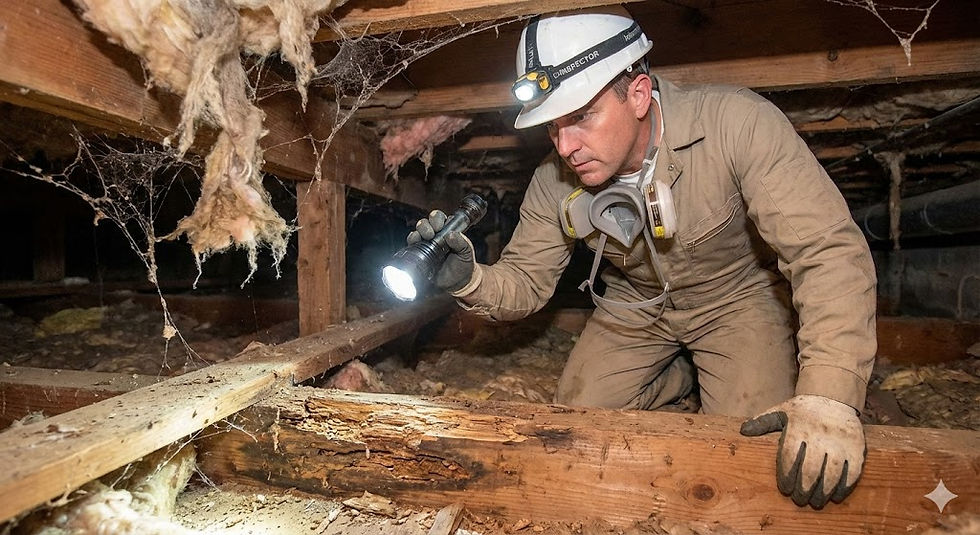
After your offer is accepted, you enter the due diligence period. This is your opportunity to verify everything about the property. Schedule a professional home inspection to identify any structural or mechanical issues. Order an appraisal to confirm the property's
value. Have a title company perform a title search to ensure there are no liens or legal disputes.
11. Secure Financing and Close
Once due diligence is complete and any issues have been addressed, you'll move toward closing. Work closely with your lender to finalize your loan and provide any requested documentation. On closing day, you'll sign a mountain of paperwork, pay your closing costs, and finally, receive the keys to your new investment property.
12. Manage Your Investment
The work doesn't stop at closing; it's just beginning. If you bought a rental property, you need to decide whether to manage it yourself or hire a professional property manager.

You'll need to find and screen tenants, handle maintenance requests, collect rent, and keep detailed financial records. Effective management is key to maximizing your returns and ensuring the long-term success of your investment.
Conclusion
Buying and investing in real estate is a journey that requires commitment, patience, and a willingness to learn. By following these 12 steps, you can mitigate risks, make smarter decisions, and build a profitable real estate portfolio that serves your financial goals for years to come. Remember, the best time to start was yesterday. The second-best time is today
Bob Schmalz
Call / Text / WhatsApp: 310.505.5571


Comments